

Psalm 46:1 · Meaning, context & original Hebrew
What does Psalm 46:1 mean?
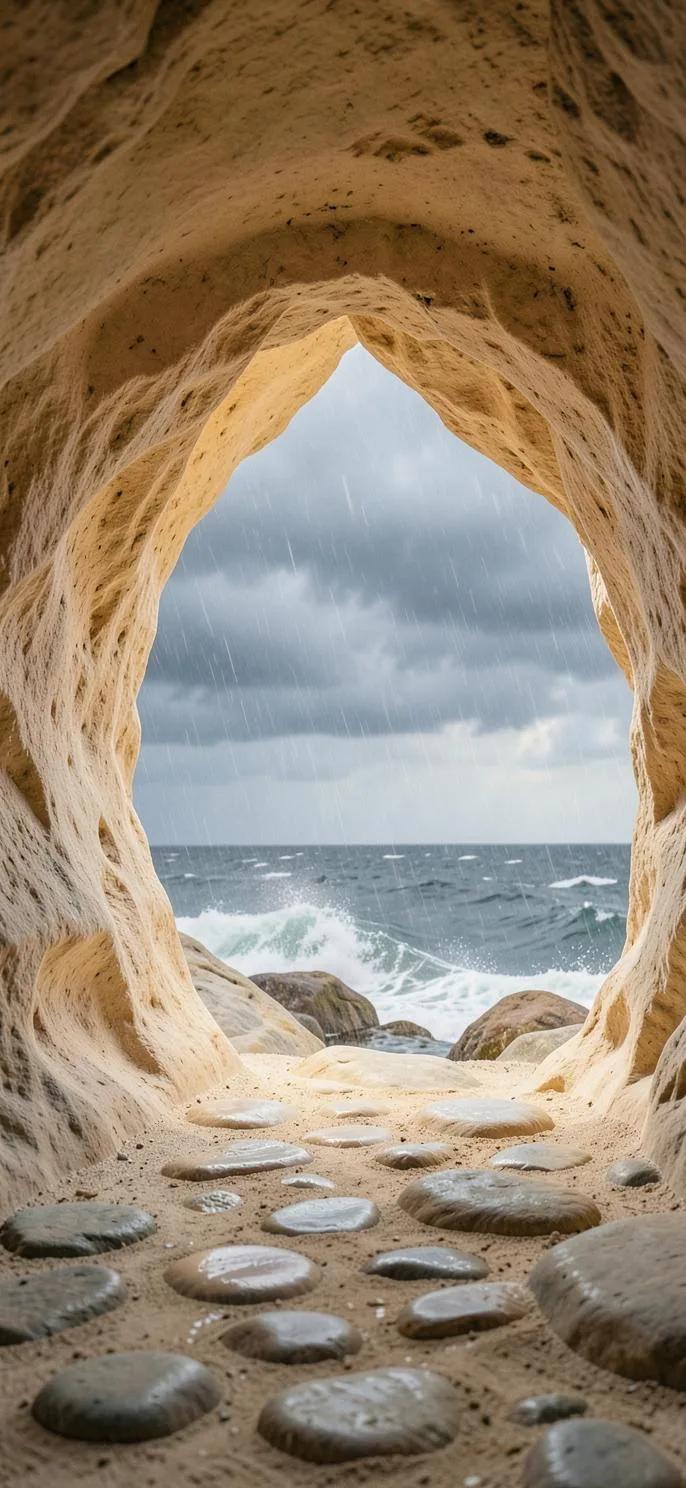 Watch this verse in the Bible Frame app
God is our refuge and strength, a very present help in trouble.
Psalm 46:1 · World English Bible, Catholic Edition (public domain)
The short answer
Psalm 46:1 says that God himself is his people’s shelter and their strength, and that in times of distress he has proved to be a help who is truly there. It opens a song of trust in God’s protection of his city and gives the reason the next verse can say that they will not be afraid.
- WhoGod
- For whomUs, his people
- What he isRefuge, strength, help
- WhenIn trouble
Explain it at my level
Kids
Imagine a big storm with wind and rain, and you run inside a strong, warm house. God is like that house for his people. He keeps them safe, he makes them strong, and when bad things happen he is right there to help. That is why the next part of the song says they will not be afraid.
Key takeawayWhen trouble comes, God is a safe place, and he is there to help.
Simple
This verse begins a song that God’s people sang together. It says three things about God. He is a refuge, a safe place to run to. He is strength, giving power to people who have none left. And he is help in trouble, help that has been found to be truly there. The song goes on to picture earthquakes, roaring seas and wars, and still says the singers will not be afraid.
Key takeawayGod is more than a place to hide; he is the strength and help inside the trouble.
Standard
The verse is the ground for verse 2: “Therefore we won’t be afraid,” even if the earth changes and the mountains are shaken into the seas. The psalm moves from chaos in nature (vv. 1–3), to the city of God with its river, safe while nations rage (vv. 4–7), to God ending wars (vv. 8–11). A refrain closes the last two sections: “The LORD of Armies is with us. The God of Jacob is our refuge.” There refuge is a different Hebrew word, a high stronghold, so the psalm opens with God as shelter and closes with God as fortress, both for us.
Key takeawayBecause God is refuge, strength and help, the psalm can face shaking earth and raging nations without fear.
Scholar
The line has no verb: God, for us, refuge and strength. Its subject is Elohim, as through most of Psalms 42–83, and for us makes it the confession of a people; the refrain of verses 7 and 11 repeats for us with a different word for refuge. The second line pairs help with nimtsa, a Niphal participle of matsa, to find, which STEPBible’s lexicon glosses be found, be present, prove to be. Kirkpatrick rendered it he has let himself be found exceedingly, an appeal to recent experience. The Latin text Augustine expounded took found with the troubles that find us out. Selah ends verse 3 with no refrain, and some scholars and the New American Bible’s notes place the refrain there too. Kirkpatrick tied Psalms 46–48 to the rescue from Sennacherib in 701 BC; the heading names no occasion, and the link is debated.
Key takeawayThe verbless confession and the verb to find make God’s help a fact his people have already proved.
Key words
In the original Hebrew word order, read right to left. Choose a word to see what it means and why it matters.
God
אֱלֹהִ֣ים 'elohim
God
Elohim stands first, as it does in many lines of Psalms 42–83, where it is used far more often than the divine name. It is plural in form and singular in meaning for Israel’s God. The verse says who God is before it says anything about the troubles.
Why it mattersStarting with God sets the order of the whole psalm: God first, and only then the shaking earth and the raging nations.
Noun, masculine plural absolute · Strong’s H430
our refuge
לָ֭נוּ מַחֲסֶ֣ה lanu machaseh
for us a refuge
Lanu machaseh joins the preposition for with the suffix us, and then machaseh, a refuge or shelter. STEPBible’s lexicon lists shelter from rain, storm or danger. Psalm 62:8 has nearly the same words, God is a refuge for us, and Isaiah 25:4 uses machaseh for a refuge from the storm.
Why it mattersRefuge is a place to run to, and the word us makes it the shelter of a whole people.
Preposition, with 1st person plural suffix; Noun, masculine singular absolute · Strong’s H9035 + H4268
and strength
וָעֹ֑ז va’oz
and might
Va’oz joins and to oz, might or strength, and STEPBible’s lexicon lists physical strength as well as personal and social power. Exodus 15:2 uses the same word in the song after the sea, The LORD is my strength. Refuge protects, while strength enables a person to stand.
Why it mattersGod is more than a hiding place. He gives his people strength to stand when they have none of their own.
Noun, masculine singular absolute · Strong’s H5797
help
עֶזְרָ֥ה 'ezrah
help, succor
Ezrah means help, succor or assistance, and STEPBible’s lexicon adds one who helps. Psalms often use it in urgent prayers for God to hurry to help, as in Psalm 22:19 and Psalm 70:1. Here it describes what God has shown himself to be, more than it asks for something.
Why it mattersHelp is the word of a prayer answered: this psalm states as fact what other psalms beg for.
Noun, feminine singular absolute · Strong’s H5833
in trouble
בְ֝צָר֗וֹת vetzarot
in distresses
Betsarot joins in to tsarot, the plural of tsarah, which STEPBible’s lexicon glosses straits, distress, trouble. The word suggests a narrow, tight place. It is plural here, troubles, and Isaiah 33:2 uses the same word when it asks God to be salvation in the time of trouble.
Why it mattersThe help is promised inside the narrow places, not instead of them, and in more than one of them.
Noun, feminine plural absolute · Strong’s H6869
present
נִמְצָ֥א nimtza’
is found
Nimtsa is a Niphal participle of matsa, to find. For this stem STEPBible’s lexicon lists to be found, to be present and to prove to be. So the line says that God has been found to be a help, a claim of experience. Isaiah 55:6 uses the same stem: seek the LORD while he may be found.
Why it mattersPresent means more than nearby. God has been found, by experience, to be the help his people needed.
Niphal participle, masculine singular absolute · Strong’s H4672
very
מְאֹֽד me’od
exceedingly
Me’od is the common Hebrew word for very or exceedingly, and STEPBible’s lexicon also lists might and abundance. It closes the line and strengthens found: God has proved to be a help in full measure. The Latin text that Augustine read joined found to the troubles instead.
Why it mattersThe word gives the line its weight. God’s help is not partial or grudging, but more than enough.
Adjective, masculine singular absolute · Strong’s H3966
Where the verse sits
Psalm 46:1 opens a song of trust in God’s protection of Zion, his city. Its first line names God as refuge, strength and help, and every later scene rests on it: the earth shaking, the seas roaring, the nations raging and, in verse 10, God himself speaking.
- heading
The heading names the Chief Musician and the sons of Korah, and adds According to Alamoth, a musical term.
- v. 1
You are here. God is our refuge and strength, a very present help in trouble.
- vv. 2–3
Therefore the singers will not fear, though the earth changes and the mountains shake into the roaring seas.
- vv. 4–7
A river gladdens the city of God, which shall not be moved while nations rage, and the refrain says God is with us.
- vv. 8–9
The hearers are invited to see God’s works: he makes wars cease and breaks bow, spear and chariot.
- vv. 10–11
God himself speaks, telling people to be still and know that he is God, and the refrain returns.
A song of Zion
John Paul II calls Psalm 46 the first of the Psalter’s six hymns to Zion, and the New American Bible’s notes call it a song of confidence in God’s protection of the city, close to Psalm 48. So the us of verse 1 is a people gathered around God’s dwelling and singing together, more than a lone believer.
Why some Bibles call it verse 2
The Hebrew counts the heading as verse 1, so this line is 46:2 there and in Bibles that follow that count, including the Lectionary. Greek and Latin numbering makes the psalm 45, so older Catholic books may say 45:2. The same line is meant in each case. This page calls the heading verse 0 and the line verse 1.
A rescue to remember?
The heading names no event. Kirkpatrick linked Psalms 46–48 with Jerusalem’s deliverance from Sennacherib’s army in 701 BC, a link he thought close to certain. The New American Bible’s notes name no event and read the shaking earth as a picture of political upheaval. Either way, verse 1 speaks of help already found, which gives it the weight of experience.
Read Psalm 46, the whole chapter, word for word.
Common misreadings
A common reading
God being our refuge means nothing bad will happen.
Closer to the text
The verse speaks of help in trouble, so trouble is assumed. The next verses picture the earth changing and the mountains falling into the sea. The promise is God’s presence and strength inside such upheaval, and the psalm never says the troubles will not come.
A common reading
A refuge means escaping and hiding from life.
Closer to the text
The verse pairs refuge with strength, and the psalm ends with God ending wars. Augustine notes that some refuges leave people weaker, while God’s refuge gives strength. Shelter in God sends people back into the world steadier, rather than taking them out of it.
A common reading
This verse is a personal promise to one believer.
Closer to the text
The Hebrew says for us, and the psalm is sung by a community gathered around God’s city. Individuals rightly pray it, but its first sense is the confidence of a whole people, as the refrain’s with us also shows.
How traditions read it
Jews and Christians all sing this verse as confidence in God amid upheaval; they differ in the rescue they hear behind it and in where it sits in their worship.
Jewish
Rashi links the psalm to the sons of Korah, who did not die when the earth swallowed their father’s company. Having stood safe while the earth changed around them, they told Israel through the holy spirit that a similar rescue would come for them in the future.
Catholic
The Church sings this verse on 9 November, the Dedication of the Lateran Basilica, after Ezekiel’s river flowing from the temple. Augustine contrasts refuges that leave people weaker with God, who becomes the strength of the one who flees to him.
Lutheran
Martin Luther’s hymn A Mighty Fortress Is Our God, written in the late 1520s, is a free paraphrase of Psalm 46 whose opening lines echo this verse. It is sung on Reformation Day, and Bach built his Reformation cantata, BWV 80, on it.
Read it with these verses
- Psalm 46:7The refrain answers verse 1: the LORD of Armies is with us, the God of Jacob our refuge.
- Psalm 62:8Another psalm says almost the same words, God is a refuge for us, after a call to trust.
- Isaiah 25:4God is a refuge from the storm for the poor and needy, the same Hebrew word for refuge.
- Isaiah 33:2A prayer for God to be salvation in the time of trouble, with the same Hebrew word for trouble.
- Psalm 46:10God himself speaks at the psalm’s close, telling people to be still and know he is God.
- Romans 8:31Paul asks who can be against us if God is for us, the confidence this psalm sings.
Live it this week
- What trouble are you facing now, and do you run to God first or only after everything else has failed?
- The verse says us, not me. Who could you stand beside this week as a sign that God’s help is present?
- When has God proved to be a help to you before, and how could remembering it steady you now?
A short prayer
God, you are my refuge and my strength. When the ground seems to shift under me, keep me from fear. Let me find you present in this trouble, and help me stand with others who are afraid. Amen.
To pray with this verse more slowly, try lectio divina, the Church’s ancient way of praying with Scripture.
Memorize it
Say the verse aloud, then hide more words. Tap a blank to peek.
Teaching Psalm 46:1
For parents, small-group leaders and preachers.
With kids
Ask: Where do you run when a storm comes, with thunder and heavy rain? Talk about a safe, strong house. Explain that the song in Psalm 46 says God is like that house for his people. Then read the Kids level above together.
Small group questions
- Verse 2 begins with Therefore. How does verse 1 explain why the singers will not be afraid?
- Compare verse 1 with the refrain in verses 7 and 11. What changes, and what stays the same?
- Why might the psalm say our refuge and not my refuge?
Sermon outline
- The refuge: shelter in God (v. 1a)
- The strength: power for the weak (v. 1a)
- The help: found in trouble (v. 1b)
- The result: no fear (vv. 2–3)
- The refrain: God with us (v. 7)
Questions people ask
Who wrote Psalm 46?
The heading credits the psalm to the sons of Korah, a guild of temple singers, and names no single author. The date is uncertain. Kirkpatrick and others linked it to Jerusalem’s rescue from the Assyrian king Sennacherib in 701 BC, but the heading names no event and the link cannot be proved. The psalm was written for a community to sing together.
What does “a very present help in trouble” mean?
It means that God has proved to be a help who is really there in distress. The Hebrew uses a form of the verb to find, so the line says literally that he has been found a help in troubles, exceedingly. It is a claim of experience: God’s people have found him present when they needed him, and the psalm invites trust on that ground.
What is the difference between refuge and strength in Psalm 46:1?
A refuge is a shelter, a place to run to for safety from storm or danger. Strength is power given to someone who lacks it. The verse puts them together, so God both protects his people and makes them strong. The rest of the psalm shows both: the city stands safe, and the singers face upheaval without fear.
Why is Psalm 46:1 called 46:2 in some Bibles?
Some Bibles count the psalm’s heading as verse 1, which moves every verse number up by one, so the line is 46:2 there. The Lectionary used at Mass follows this count. Greek and Latin numbering calls the whole psalm 45, so older Catholic books may say 45:2. All of these numbers name the same line.
How is Psalm 46:1 different from Psalm 46:10?
Psalm 46:1 is spoken about God by his people, and Psalm 46:10 is spoken by God himself. Verse 1 opens the psalm with confidence: God is refuge, strength and help. Verse 10 comes near the end, after God has ended wars, and commands people to be still and know that he is God. Together they frame the psalm.
Is A Mighty Fortress Is Our God based on Psalm 46?
Yes. Martin Luther wrote the hymn in the late 1520s as a free paraphrase of Psalm 46, and its opening lines echo this verse, though he did not follow the psalm line by line. The hymn became closely tied to the Reformation and is sung on Reformation Day. Bach used it for his Reformation cantata, BWV 80.
How can I explain Psalm 46:1 to a child?
Talk about running into a strong house during a storm and feeling safe inside. Explain that God is like that for his people: he keeps them safe, he makes them strong and he is there to help when bad things happen. Choose the Kids level above to read a version aloud, then say the verse together.
Keep reading
Sources
Every verse is quoted word for word from the text named below.
Scripture
- Psalm 46:0–11
- Psalm 48
- Psalm 62:8
- Psalm 22:19
- Psalm 70:1
- Exodus 15:2
- Isaiah 25:4
- Isaiah 33:2
- Isaiah 55:6
- Numbers 26:10–11
- Ezekiel 47:1–12
- Romans 8:31
- Psalm 46:7
- Psalm 46:10
Other sources
- Lectionary for Mass, Dedication of the Lateran Basilica, 9 November, no. 671 (USCCB daily readings)
- John Paul II, General Audience on Psalm 46[45], 16 June 2004
- Augustine, Exposition on Psalm 46, 2–3 (New Advent)
- New American Bible, notes on Psalm 46 (Vatican copy)
- A. F. Kirkpatrick, The Book of Psalms, Cambridge Bible for Schools and Colleges, on Psalm 46 (read at biblehub.com)
- Asbury Bible Commentary, “The Psalter as a Collection: Development and Design” (Bible Gateway), on Psalms 42–83
- Rashi on Psalms 46 (Sefaria)
- Wikipedia, “A Mighty Fortress Is Our God”
- Carus-Verlag, notes on Bach, Ein feste Burg ist unser Gott, BWV 80
- STEPBible.org, tagged Hebrew text and lexicon (CC BY 4.0), for the original words, Strong’s numbers and grammatical forms
Scripture is quoted word for word from the World English Bible, Catholic Edition. Images are artistic interpretations.