
Genesis
50 chaptersCreation, the flood, and the promises made to Abraham, Isaac and Jacob, ending with Joseph’s family settled in Egypt.

 Get the app
Home › Bible
The books of the deuterocanon are marked; they are part of the Catholic canon and are included in full. Every chapter is illustrated and narrated in the app.
Creation, the flood, and the promises made to Abraham, Isaac and Jacob, ending with Joseph’s family settled in Egypt.
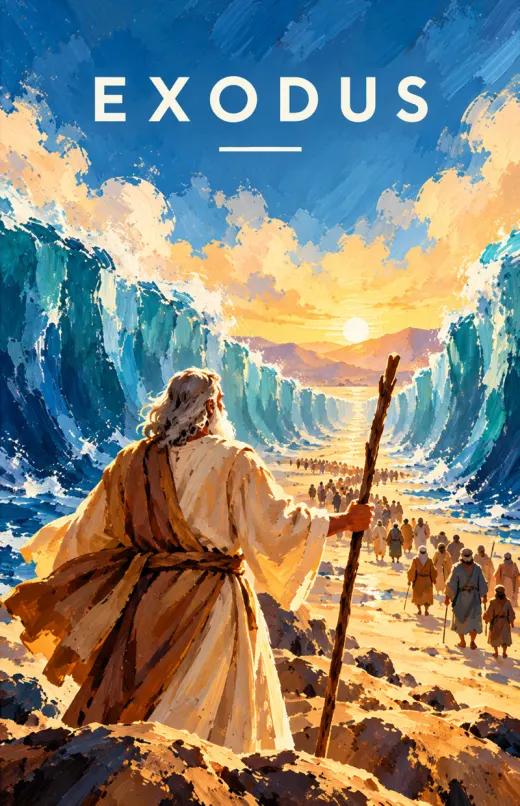
Moses leads Israel out of slavery in Egypt, through the sea and to Sinai, where God gives the Law and the plan for the tabernacle.
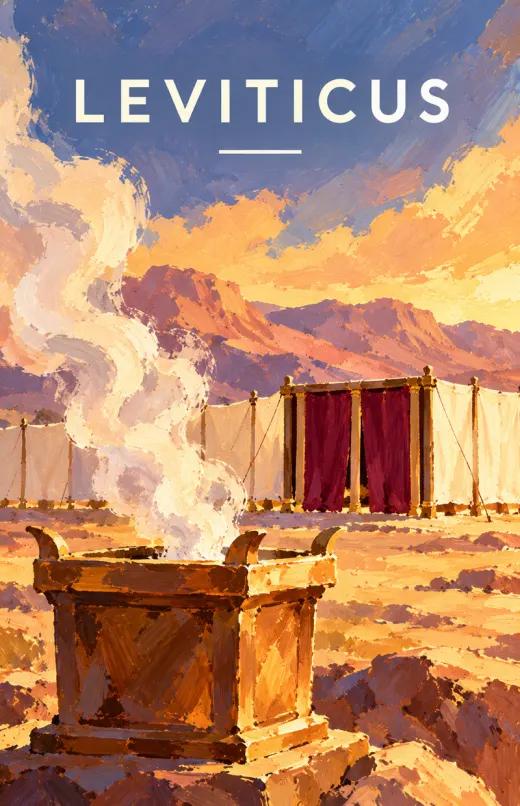
The laws of sacrifice, priesthood and purity given at Sinai, with one call at their centre: be holy, because the Lord is holy.
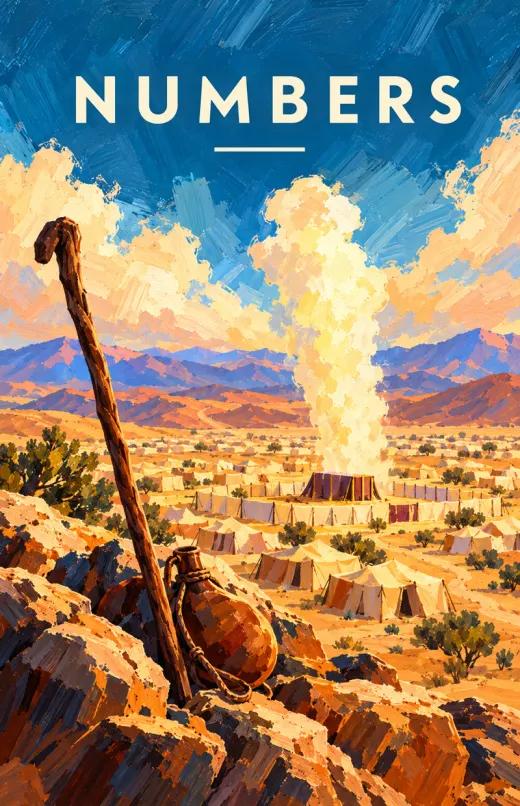
Israel is counted and sets out from Sinai, but forty years of wandering follow before a new generation reaches the edge of the land.
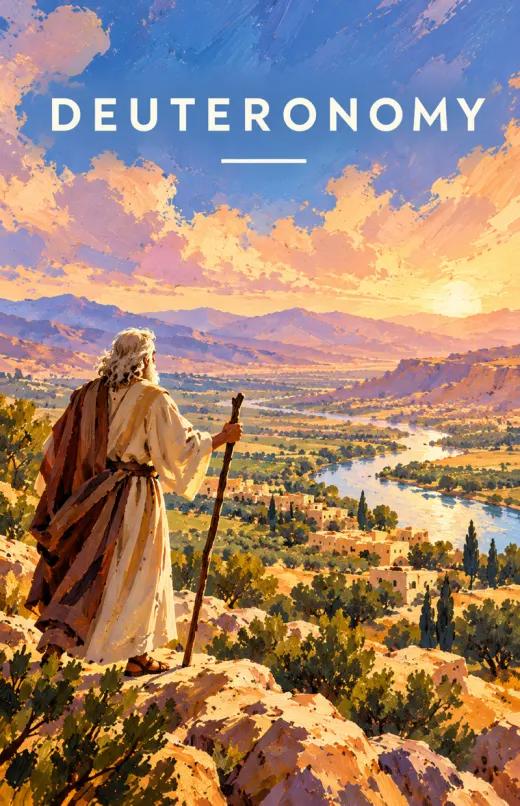
On the plains of Moab, Moses retells the Law and sets a choice between life and death before Israel, then dies in sight of the land.
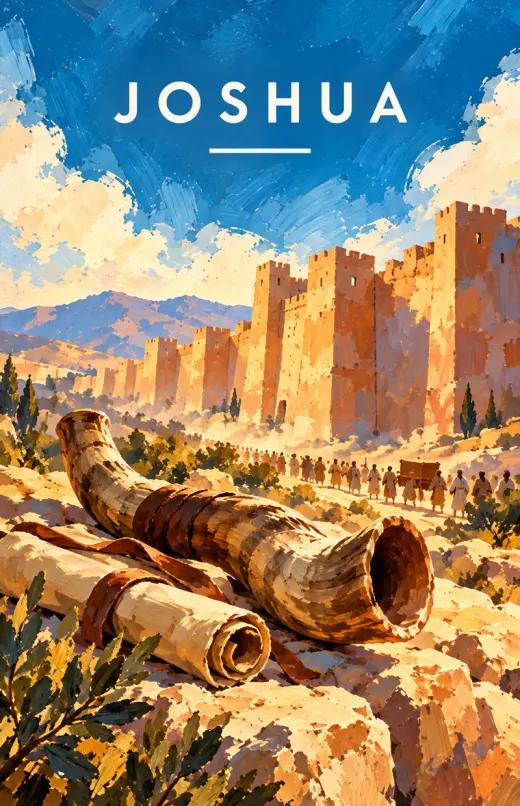
Israel crosses the Jordan, the walls of Jericho fall, and the land is divided among the tribes under Moses’ successor.
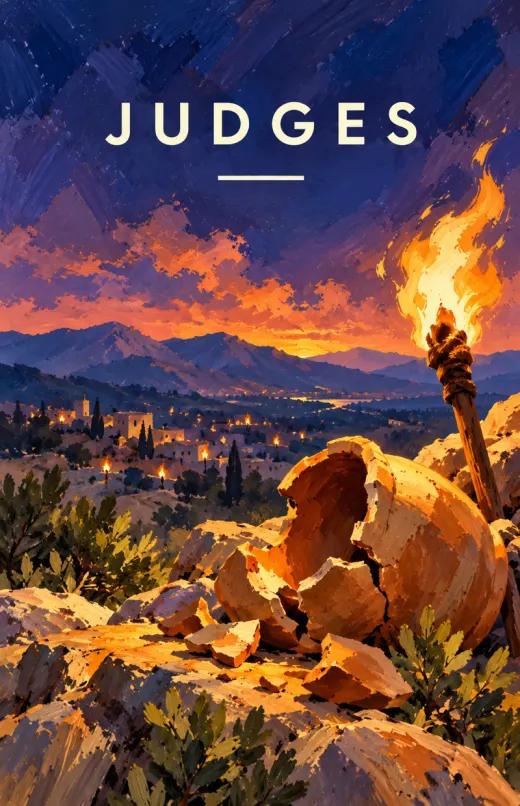
In the years before the kings, Israel drifts, is oppressed, and is rescued again and again by deliverers like Deborah, Gideon and Samson.
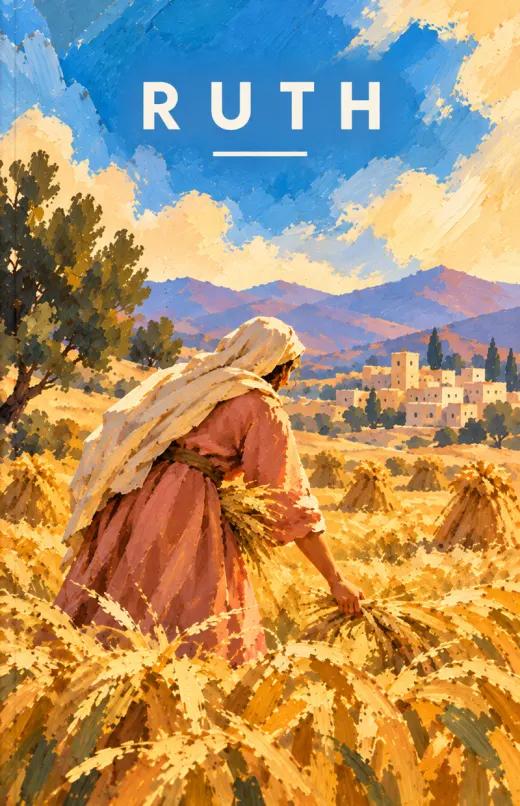
A Moabite widow stays loyal to her mother-in-law, gleans in the fields of Boaz, and becomes the great-grandmother of King David.
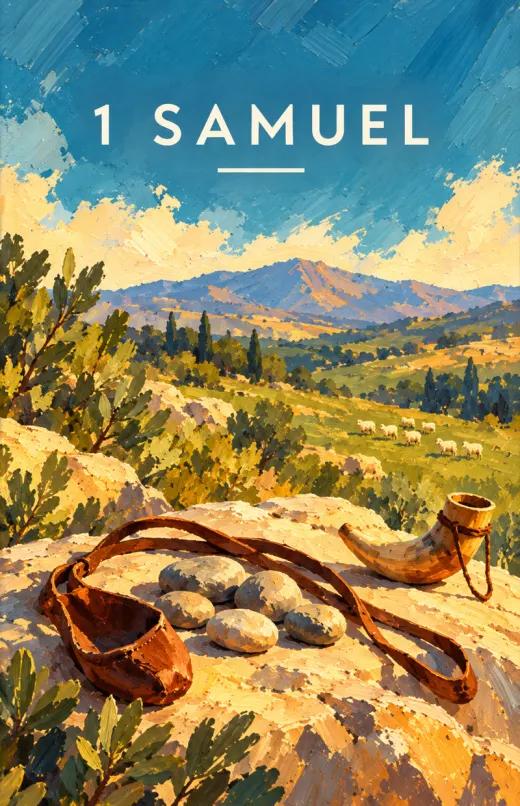
Samuel anoints Israel’s first king, Saul, and then the shepherd boy David, whom Saul will spend the rest of his life hunting.
David reigns from Jerusalem, receives the promise of a lasting house, and then watches his own sin tear his family apart.
Solomon builds the temple in glory, the kingdom splits in two, and the prophet Elijah faces the prophets of Baal on Mount Carmel.
Elisha works wonders, kings rise and fall, and first Israel and then Judah are carried away into exile.
From Adam to David, the story of Israel told again with the temple and its worship at the centre.
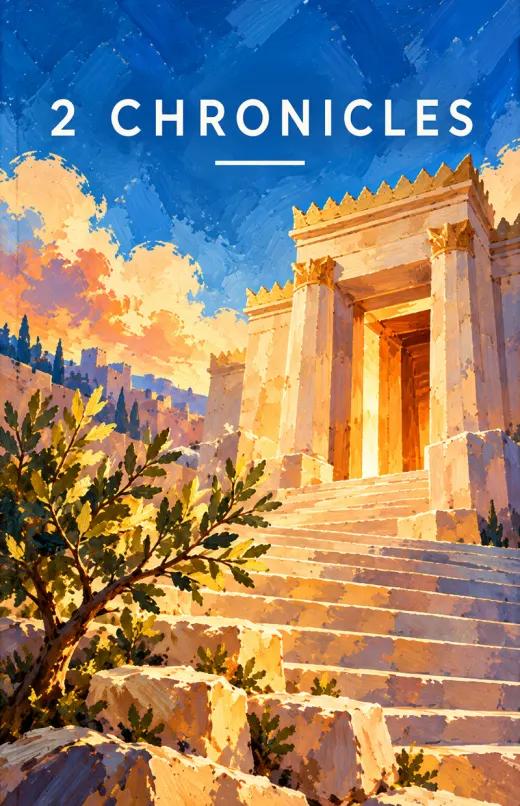
From Solomon’s temple to its burning, the kings of Judah are weighed by their faithfulness, and the book ends with the decree to return.
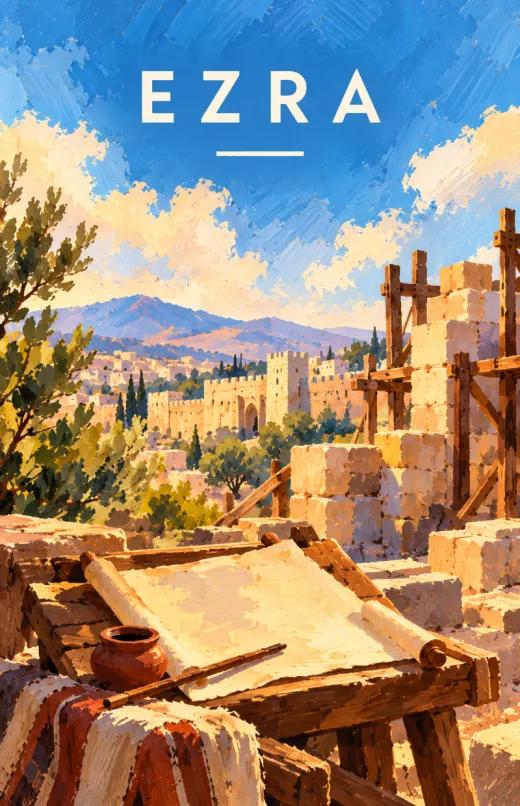
Exiles return from Babylon, rebuild the altar and the temple, and the scribe Ezra calls the people back to the Law.
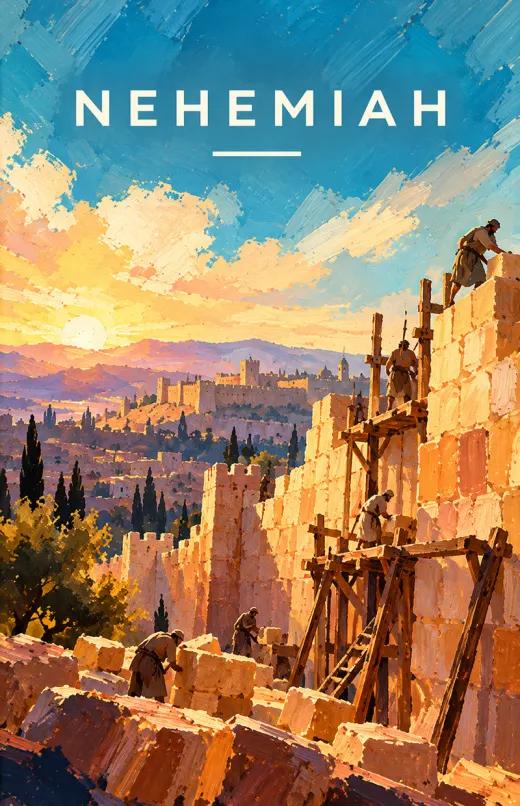
A cupbearer to the Persian king rebuilds the walls of Jerusalem in fifty-two days and renews the covenant with the people.
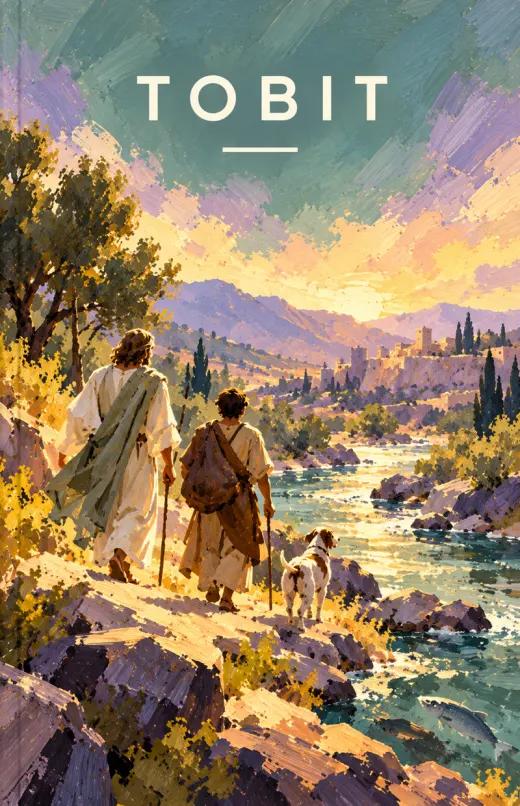
A blind and faithful man in exile sends his son on a journey with an angel in disguise, and healing follows.
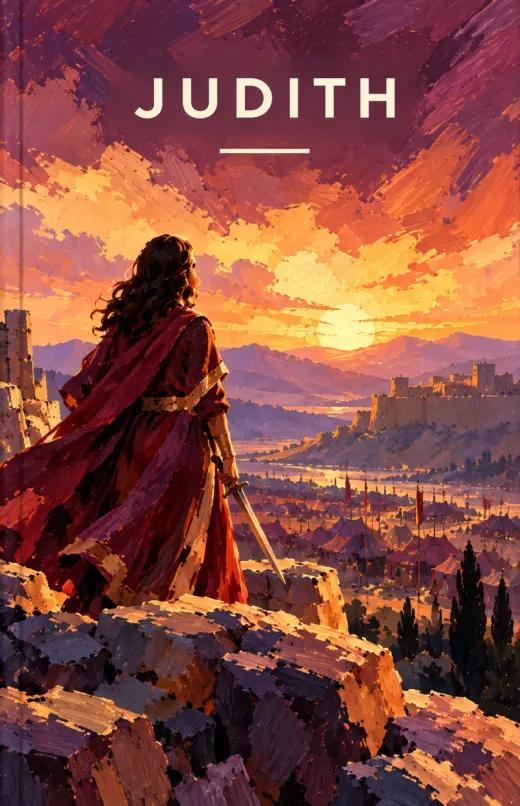
When an Assyrian army besieges her town, a widow walks into the enemy camp and returns with the general’s head.
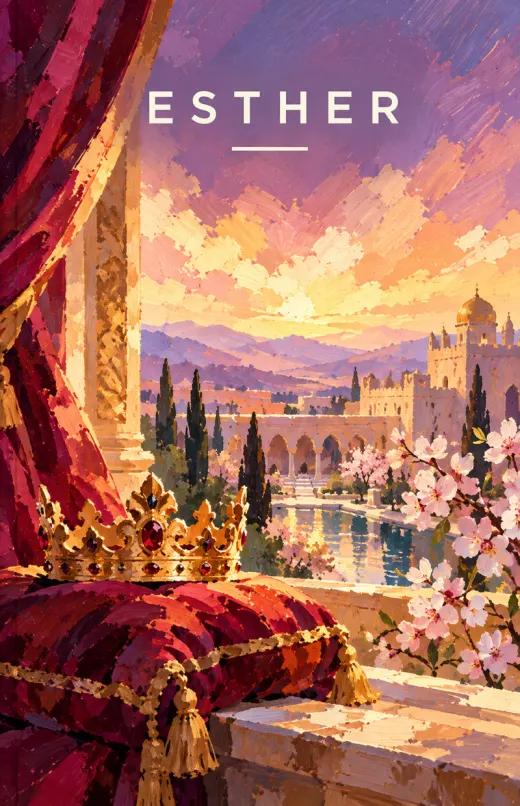
A Jewish queen in Persia risks her life to expose a plot and save her people, the story behind the feast of Purim.
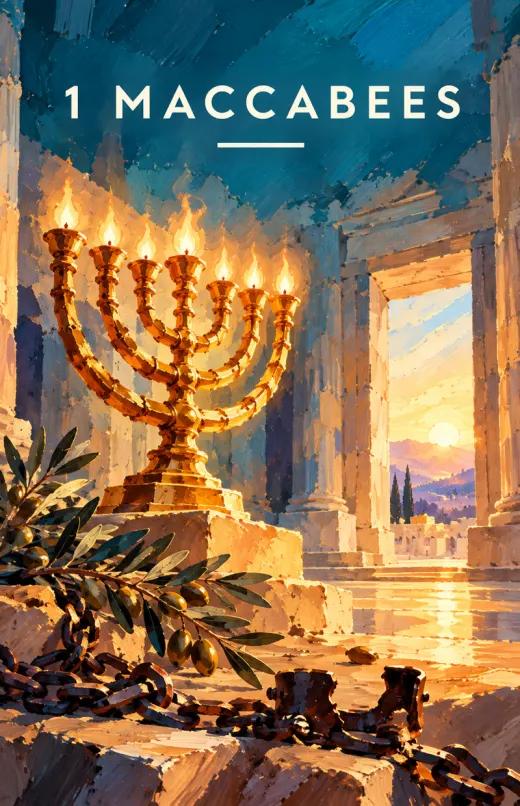
Mattathias and his sons lead a revolt against the Greek kings, cleanse the temple, and win Israel its freedom.
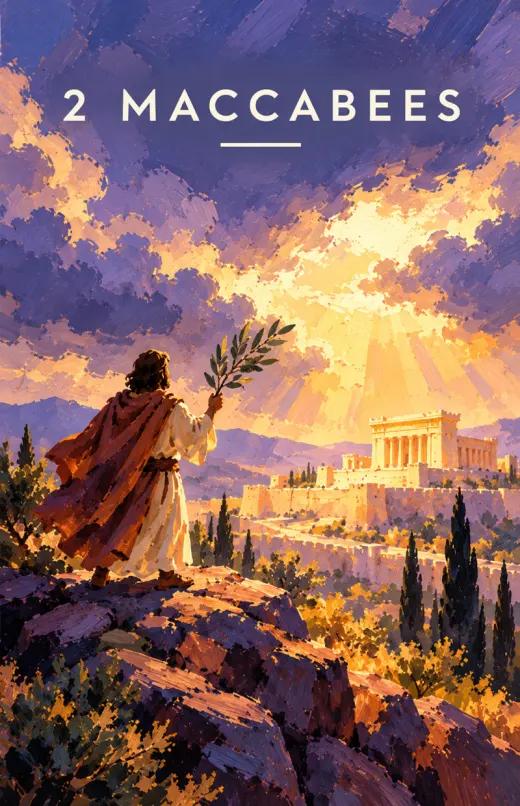
The same revolt told through its martyrs, among them a mother and her seven sons, and the purification of the temple.
A righteous man loses everything, argues with his friends and with God, and is answered out of the whirlwind.
One hundred and fifty songs of praise, lament, trust and thanksgiving: the prayer book of Israel and of the Church.
Short sayings on wisdom, work, speech and the fear of the Lord, gathered under the name of Solomon.
The Teacher weighs wealth, pleasure and toil under the sun, finds them passing, and still ends by saying: fear God.
A love poem between a bride and her beloved, read for centuries as the love between God and his people.

Wisdom speaks of justice, of life beyond death, and of the God who made all things, and retells the exodus as her own work.
A Jerusalem teacher’s counsel on friendship, speech, money and worship, with a hymn in praise of the ancestors of Israel.
Visions of judgement and comfort for Jerusalem, the suffering servant, and a new heaven and a new earth.
A reluctant prophet warns Jerusalem of its fall, is thrown into a cistern, and promises a new covenant written on the heart.
Five poems of grief over the ruins of Jerusalem, with a still centre: the Lord’s mercies are new every morning.
A prayer of confession from the exiles in Babylon, a hymn to wisdom, and words of comfort for Jerusalem.

By the rivers of Babylon a priest sees the chariot of God, a valley of dry bones brought to life, and a temple restored.
Four young exiles stay faithful in Babylon, through the fiery furnace and the lions’ den, and Daniel sees the kingdoms to come.
A prophet marries an unfaithful wife and lives out, in his own house, God’s wounded love for Israel.
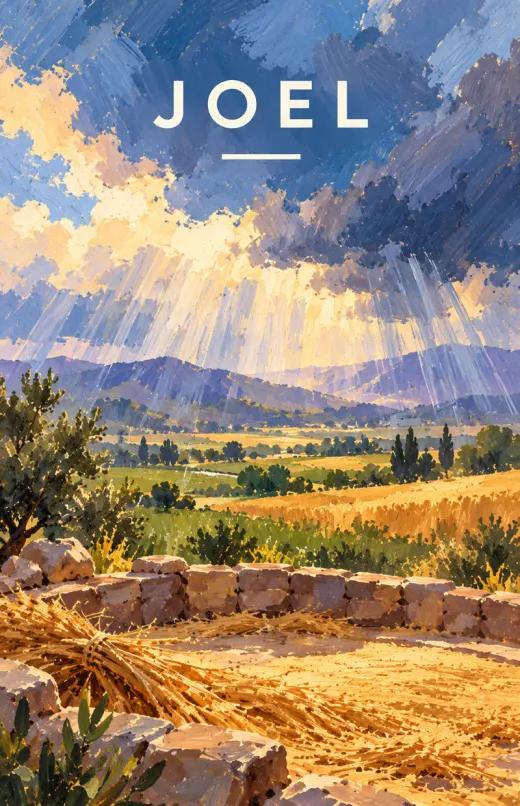
After a plague of locusts, a call to return to the Lord with the whole heart, and the promise of the Spirit poured out on everyone.
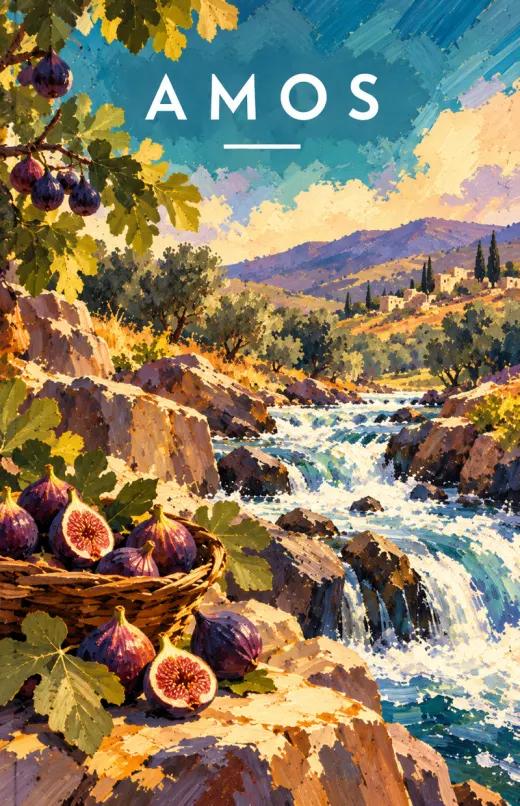
A shepherd from Tekoa is sent north to tell a prosperous nation that God wants justice to flow like a river.
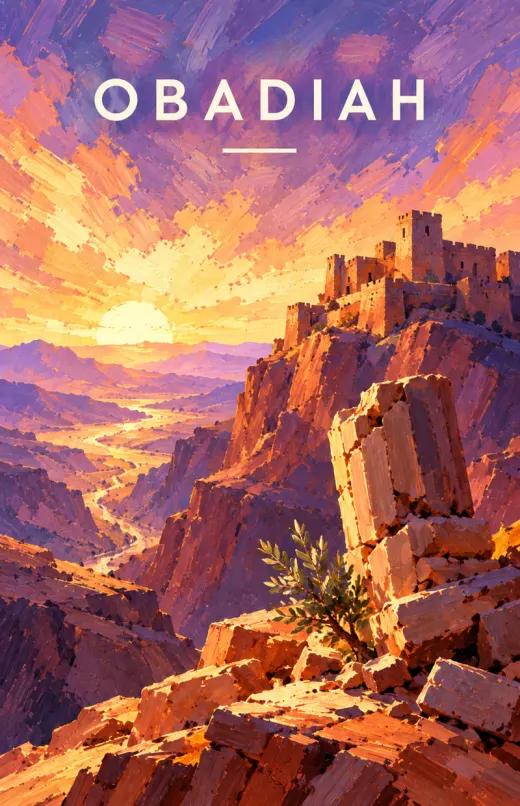
The shortest book of the Old Testament: a single vision against Edom for standing by while Jerusalem fell.

A prophet runs from God, is swallowed by a great fish, and is more upset by a withered plant than by a city spared.
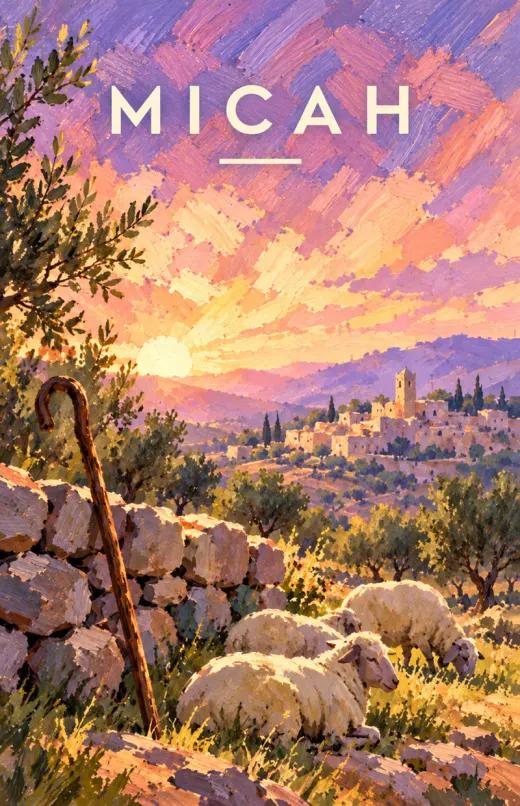
Judgement on corrupt rulers, a ruler promised from Bethlehem, and the question of what the Lord asks: justice, kindness and humility.
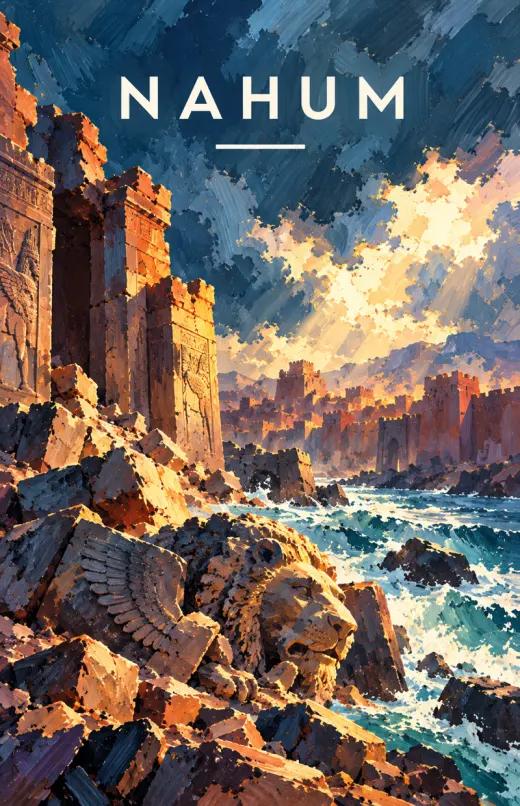
A vision of the fall of Nineveh, the city that Jonah had once seen spared.

A prophet asks why the wicked prosper, waits on the watchtower for an answer, and ends in a song of trust.
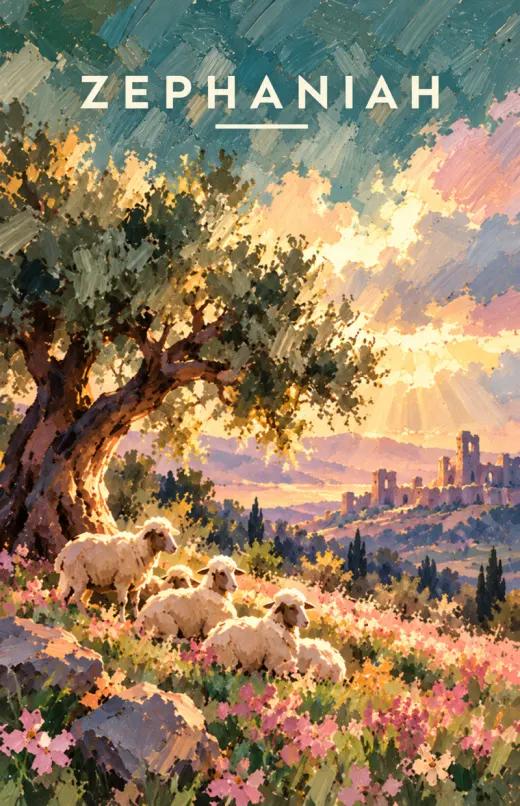
The day of the Lord is near for Judah and the nations, and after it a humble remnant and a God who rejoices over his people.
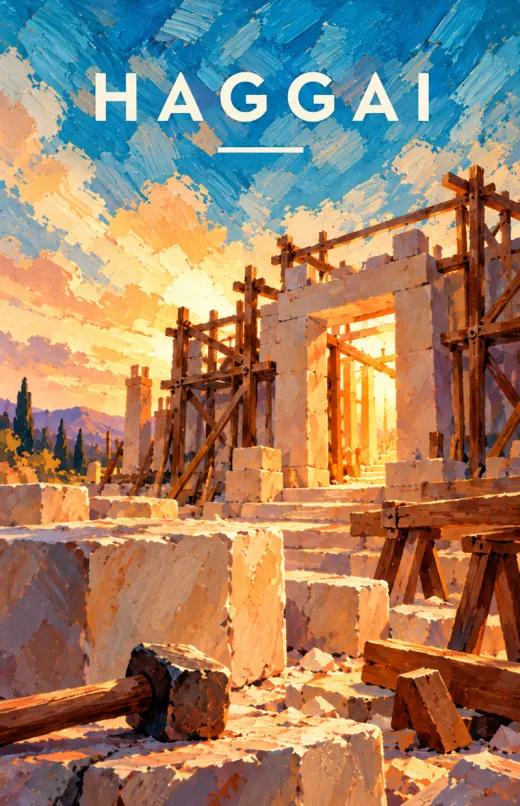
Four short messages in a single year, urging the returned exiles to stop building their own houses and rebuild the Lord’s.
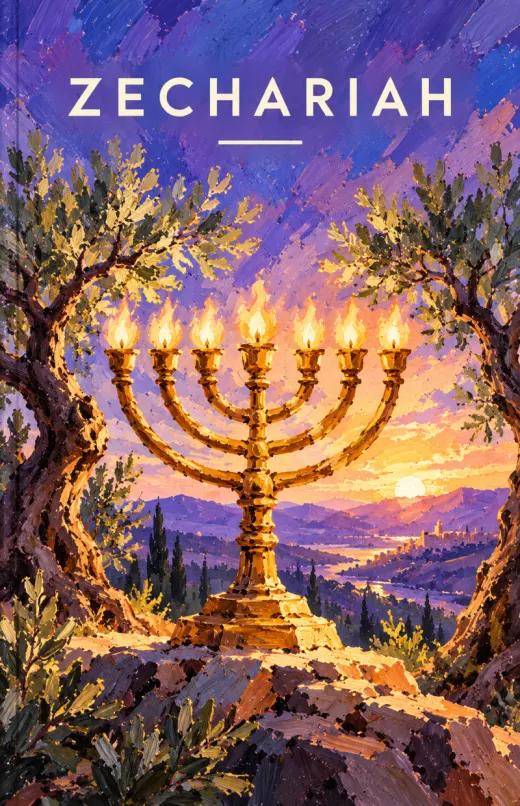
Night visions of lampstands, horsemen and a high priest made clean, and a king who comes to Zion riding on a donkey.
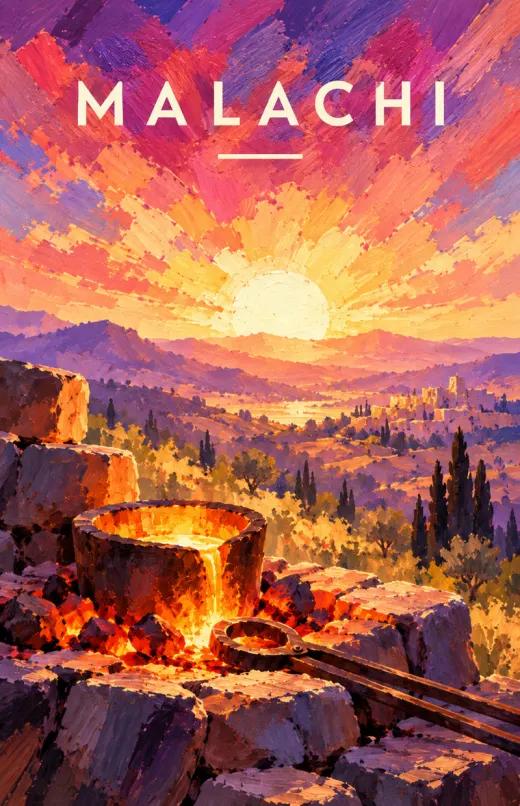
The last prophet of the Old Testament calls priests and people back to faithfulness and promises the return of Elijah.
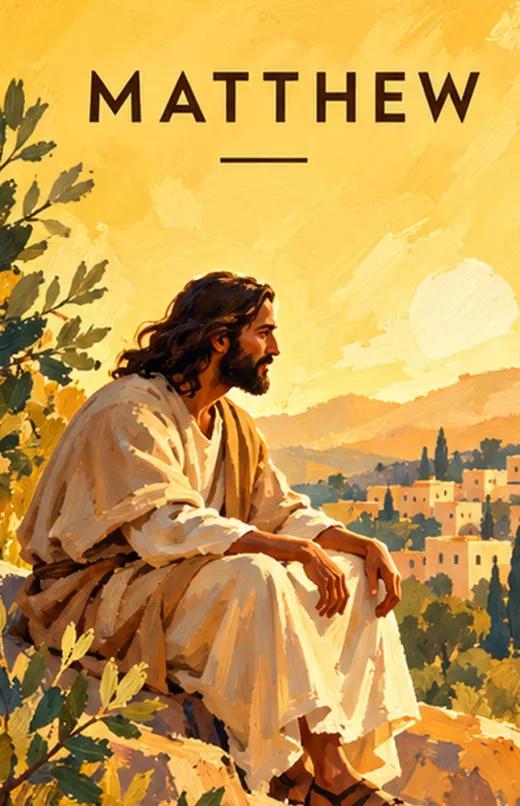
Jesus the promised Messiah: teaching on the mountain, telling parables of the kingdom, and sending his disciples to every nation.
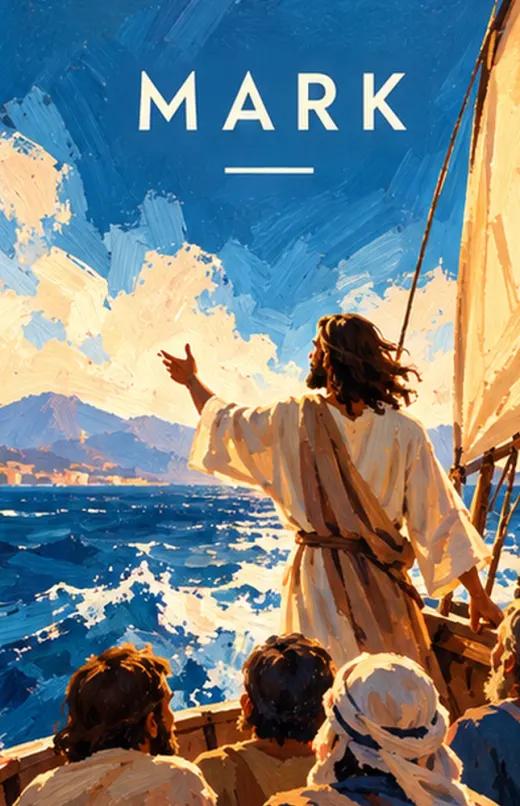
The shortest Gospel moves at speed from the Jordan to the empty tomb, asking all the way who this man is.
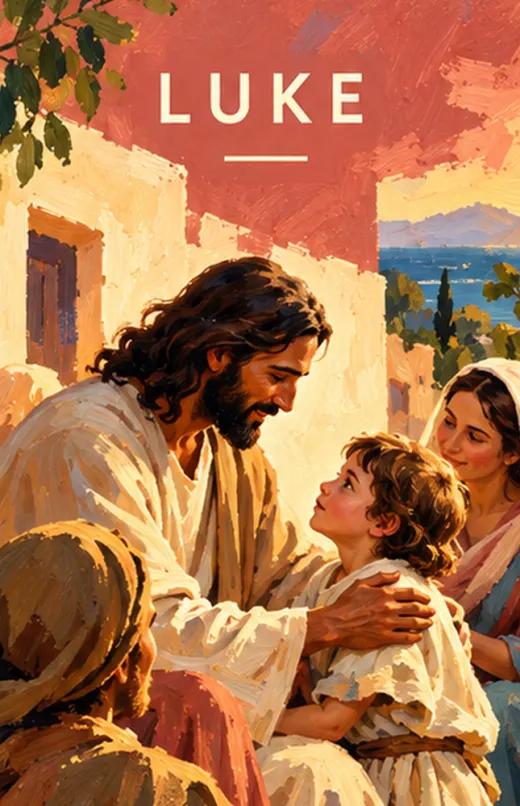
The birth in Bethlehem, the good Samaritan, the prodigal son and the road to Emmaus, told by a careful historian.
The Word made flesh: seven signs, long conversations by night and at a well, and the raising of Lazarus.
The Spirit comes at Pentecost, the Church spreads from Jerusalem to Rome, and Saul the persecutor becomes Paul the apostle.
Paul’s fullest letter: all have sinned, all are made right by faith, and nothing can separate us from the love of God.
To a divided church in a port city: on unity, the Lord’s Supper, the gifts of the Spirit, love, and the resurrection.
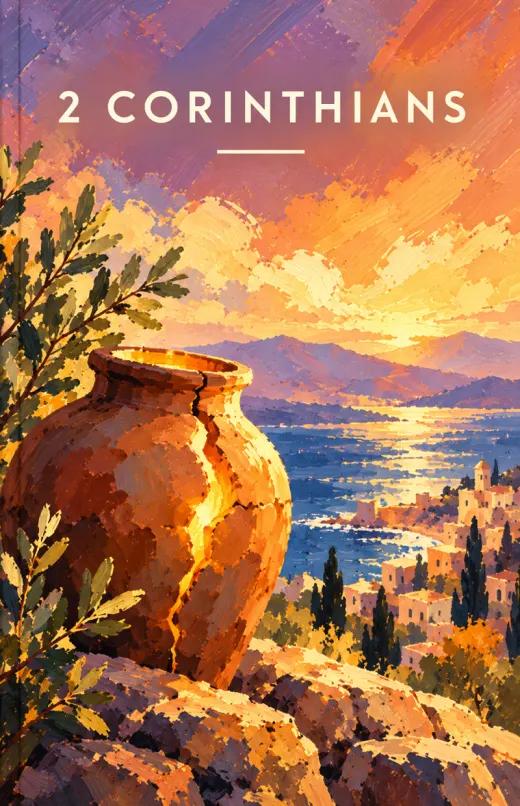
Paul defends his ministry by its weaknesses, and learns that God’s grace is enough and his power is made perfect in weakness.
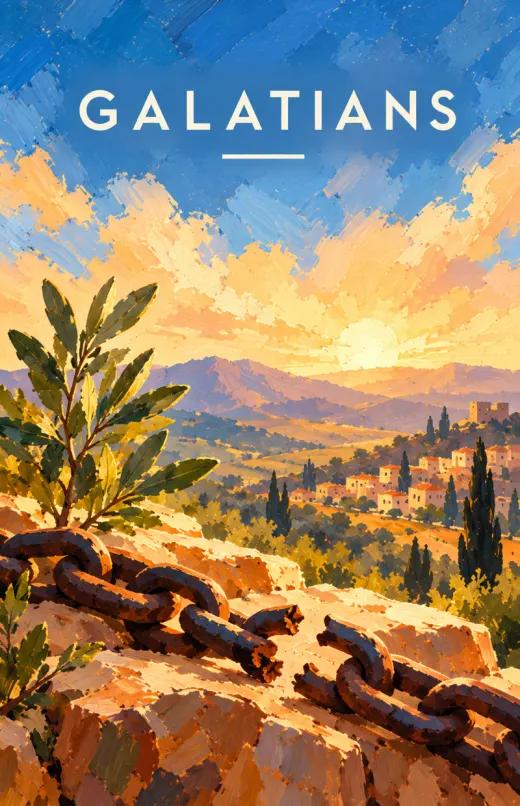
Paul insists that Christ has set us free: faith rather than the works of the Law, and the fruit of the Spirit.
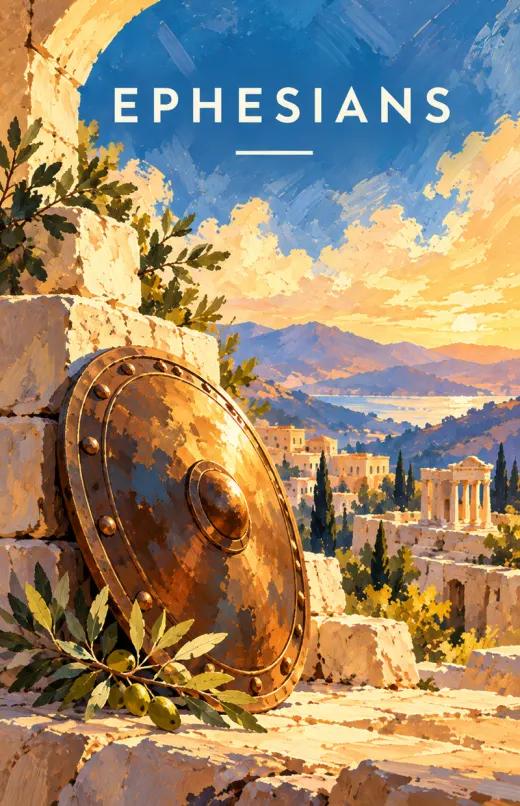
The Church as one body and one household, and the armour of God for the struggle ahead.

A letter of joy written from prison, with the hymn of Christ who emptied himself and took the form of a servant.
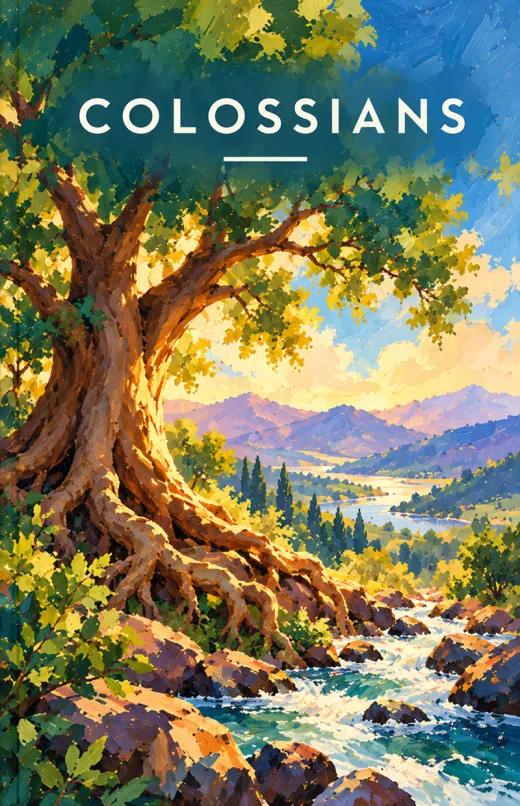
Christ is the image of the invisible God, in whom all things hold together, and the believer’s life is hidden with him.
Encouragement to a young church to live quietly, to grieve with hope, and to be ready for the Lord’s return.
A second letter steadying the church about the day of the Lord, with a plain word for those who will not work.
Instructions to a young leader in Ephesus on prayer, elders, deacons, and the good fight of faith.
Paul’s last letter, from a Roman prison: the race run, the faith kept, and a charge to preach the word in season and out.
Guidance for setting the churches of Crete in order, and the grace of God that trains us to live soberly and justly.

A short, personal letter sending the runaway slave Onesimus back to his master, no longer as a slave but as a brother.
Jesus the great high priest, the new covenant, and the long roll of those who lived by faith.
Practical wisdom for scattered believers: be doers of the word, bridle the tongue, and show faith by works.
To exiles scattered across Asia Minor: a living hope, a holy priesthood, and how to suffer well.

A reminder of the apostles’ testimony, a warning against false teachers, and the day of the Lord that will come like a thief.
God is light and God is love; whoever loves is born of God, and whoever remains in him walks as he walked.
A brief note to the chosen lady and her children: walk in love, and do not welcome those who deny Christ.
The shortest book of the Bible: thanks to Gaius for his hospitality, and a warning about Diotrephes.
An urgent call to contend for the faith against those who have crept in, ending with a blessing on the God who keeps us from falling.

John’s vision on Patmos: letters to seven churches, the Lamb who opens the scroll, and a new Jerusalem where every tear is wiped away.
Catholic Bibles have 73 books: 46 in the Old Testament and 27 in the New. Seven of the Old Testament books are not in most Protestant Bibles: Tobit, Judith, Baruch, Wisdom, Sirach and 1 and 2 Maccabees.
Scripture in the app is the World English Bible, Catholic Edition.